
_edited.png)

The Role of DJs in Celebrations: What You Need to Know

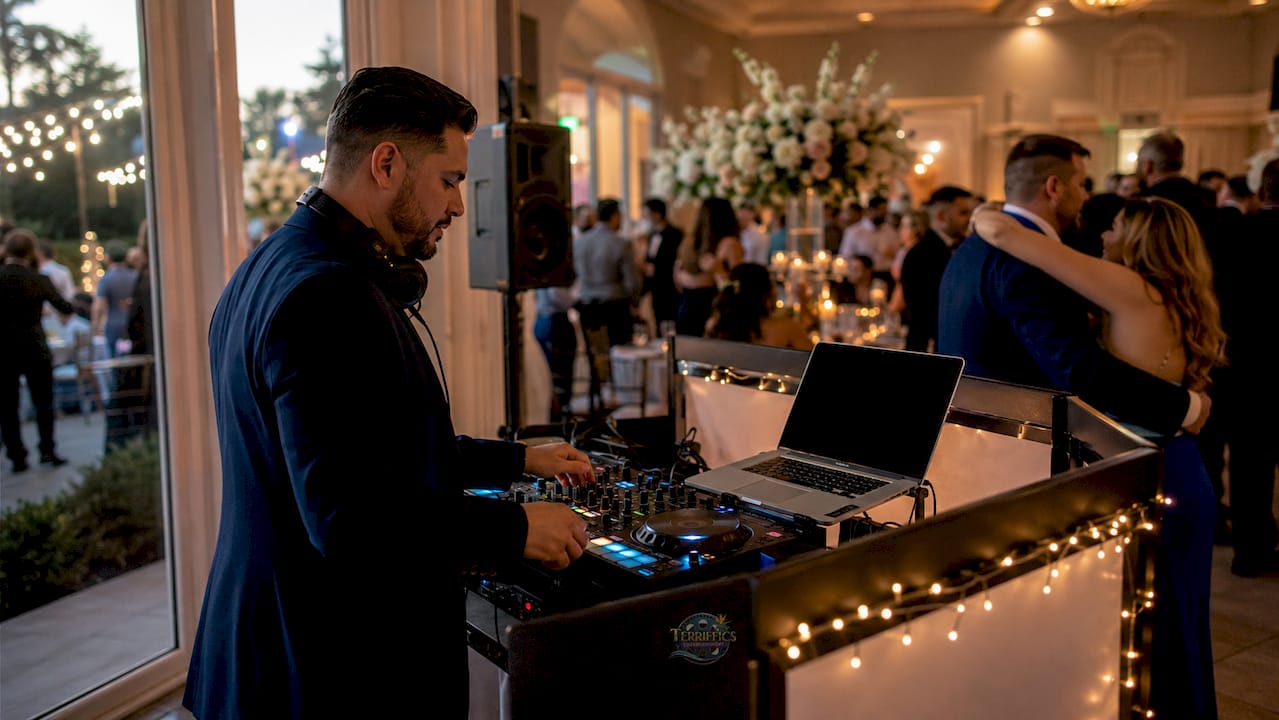
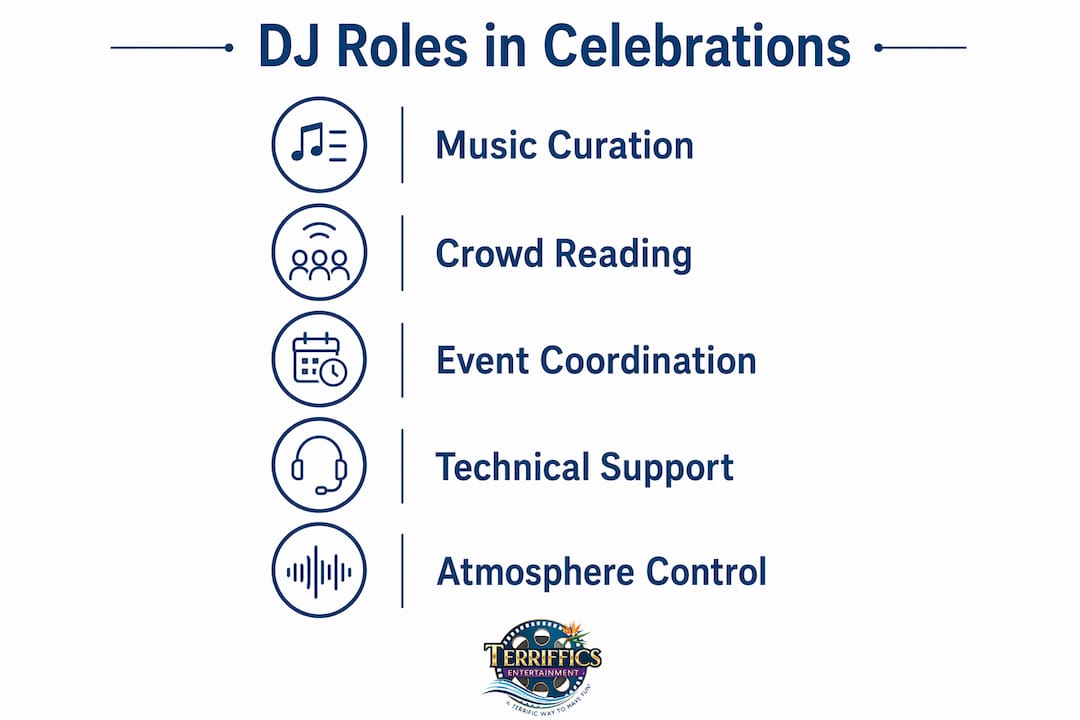
A DJ’s role in celebrations is to shape the emotional flow of an event through expert music curation, real-time crowd reading, and full event coordination. This goes far beyond pressing play on a playlist. Professional DJs, also called disc jockeys in formal event industry terms, act as emotional conductors who guide guests from cocktail hour through the final dance. They manage announcements, control sound and lighting, and coordinate with event planners to keep everything on schedule. Understanding the role of DJs in celebrations helps you make smarter decisions when planning a wedding, birthday, graduation, or any gathering where atmosphere matters.
What tasks and services do DJs provide during celebrations?
A professional DJ handles far more than music selection. Standard wedding packages typically include 4–5 hours of continuous performance, MC services, integrated light shows, and pre-event planning coordination. That scope reflects how central the DJ is to the entire event experience, not just the dance floor.
Here is what a professional DJ manages on the day of your event:
Music mixing and curation: DJs blend tracks in real time to match the energy of each event phase, from background dinner music to high-energy dance sets.
MC duties: They handle all announcements, including introductions for the wedding party, toasts, and transitions between program segments.
Sound management: DJs operate and monitor audio equipment throughout the event to maintain clear, balanced sound in every corner of the venue.
Lighting control: Many DJ packages include programmable light shows that sync with music and shift in tone as the event progresses.
Timeline coordination: DJs collaborate closely with event planners to manage timing, reduce host stress, and handle announcements so you can focus on your guests.
Troubleshooting: When a vendor runs late or a speech runs long, the DJ adjusts transitions in real time to avoid awkward silences.
Pro Tip: Ask your DJ for a sample timeline from a past event. A well-organized timeline shows they treat your celebration as a full production, not just a gig.
Experienced DJs bring a level of event management that most hosts underestimate. The MC role alone requires clear communication, stage presence, and the ability to read a room under pressure. When you hire a DJ, you are hiring a coordinator as much as a performer.
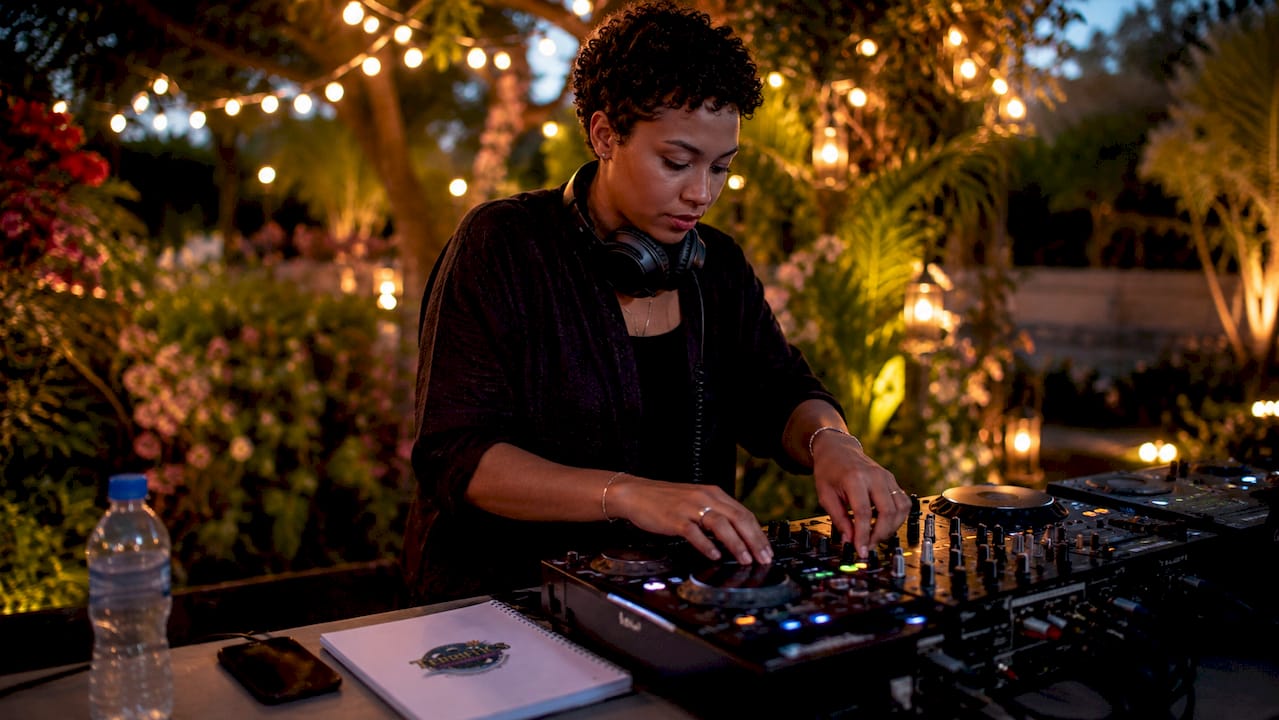
How do DJs read the crowd and adapt to different celebration atmospheres?
Reading room dynamics continuously is the most critical DJ skill. No fixed playlist can replace the ability to sense when a crowd needs a tempo shift or a genre change. This real-time adaptability is what separates a memorable event from a forgettable one.
Skilled DJs monitor several signals at once:
Body language: Are guests dancing, sitting, or drifting toward the bar? Each behavior signals a need for adjustment.
Age demographics: A crowd with grandparents, parents, and teenagers needs a DJ who can blend classic hits with current tracks without losing anyone.
Energy peaks and valleys: Experienced DJs build intentional arcs, lifting energy before key moments like the first dance or cake cutting, then pulling back to let guests breathe.
Requests and reactions: Live feedback from guests gives DJs real-time data on what is working.
Intentional storytelling through sound makes celebrations unforgettable. A DJ who mixes client preferences with crowd-responsive selections creates a personalized emotional experience that connects guests across generations. That is the difference between a party people remember and one they forget by Monday.
Pro Tip: Share a “do not play” list with your DJ before the event. It is just as useful as your must-play list and helps the DJ make confident real-time decisions without second-guessing your preferences.
The best DJs treat each event as a live performance with a beginning, middle, and end. They build toward moments, sustain energy, and close the night in a way that leaves guests satisfied. That skill comes from experience, not just equipment.
How do professional DJs enhance technical and logistical aspects of events?
Technical expertise is what makes a DJ’s performance reliable, not just entertaining. Top DJs require detailed pre-event coordination, including planning forms and site surveys, to tailor their setup to the specific venue and event. A site survey lets the DJ assess speaker placement, power access, and room acoustics before the day of the event.
Here is a breakdown of the technical responsibilities a professional DJ manages:
Pre-event site survey: Assess the venue layout, power sources, and acoustic challenges to plan equipment placement.
Equipment setup and testing: Arrive early to set up speakers, mixers, microphones, and lighting rigs, then run full sound checks before guests arrive.
Sound calibration: Adjust equalizer settings and speaker angles to deliver balanced audio throughout the room, not just near the speakers.
Lighting programming: Configure light sequences that match the event timeline, including soft ambient lighting for dinner and dynamic effects for dancing.
Real-time troubleshooting: DJs fill unexpected timing gaps and extend segments to maintain pacing when schedules slip.
Technical area | What the DJ manages |
Audio quality | Speaker placement, EQ calibration, microphone levels |
Lighting effects | Programmable sequences synced to event phases |
Timeline management | Coordinating cues with planners and vendors |
Gap coverage | Filling delays with music to prevent dead air |
Equipment backup | Carrying redundant gear to handle technical failures |
Wedding DJ lighting packages are a good example of how technical and aesthetic elements combine. The right lighting transforms a plain reception hall into an atmosphere that matches your vision. A DJ who controls both sound and lighting delivers a unified experience that a venue’s house system simply cannot replicate.
What benefits do DJs bring to different types of celebrations?
The importance of DJs in events varies by event type, but the core value stays consistent: they create energy, manage flow, and keep guests engaged. The approach, however, changes significantly depending on the occasion.
Weddings require the most nuanced DJ work. The DJ must balance romantic moments like the first dance with high-energy reception dancing, all while managing a diverse guest list spanning multiple generations. DJs for wedding celebrations also handle formal cues such as the processional, recessional, and grand entrance. Experienced professionals who have performed at over 1,000 weddings bring a level of calm and precision that newer DJs cannot match.
Corporate events demand a different skill set. The DJ must manage background music during networking, support presentations with audio cues, and shift into entertainment mode for after-dinner programming. Corporate DJ bookings have surged as companies recognize that live entertainment energizes guests and reinforces brand atmosphere in ways that a playlist cannot.
Private parties and birthdays give DJs the most creative freedom. Here, the goal is momentum and fun. A skilled DJ builds energy progressively, reads the crowd for theme-appropriate music, and keeps the dance floor full from the first song to the last.
Event type | Primary DJ focus | Key skill required |
Wedding | Emotional arc and formal cues | Multi-generational music balance |
Corporate event | Brand tone and program support | Timing precision and audio cues |
Private party | Energy and crowd engagement | Real-time genre and tempo shifts |
Graduation | Celebration and milestone moments | High-energy crowd reading |
The common thread across all event types is adaptability. A DJ who can shift from elegant to energetic, from background to center stage, delivers consistent value regardless of the occasion.
Key Takeaways
A professional DJ shapes the entire emotional experience of a celebration, not just the music, by combining crowd reading, technical expertise, and event coordination.
Point | Details |
DJs are event coordinators | They manage MC duties, timelines, and vendor coordination alongside music. |
Crowd reading drives success | Real-time adjustments to tempo and genre keep guests engaged across all ages. |
Technical prep matters | Site surveys, sound calibration, and lighting setup happen before guests arrive. |
Event type shapes the approach | Weddings, corporate events, and parties each require a distinct DJ strategy. |
Experience reduces risk | DJs with extensive event history handle gaps, delays, and surprises without disrupting flow. |
What I’ve learned after watching hundreds of celebrations succeed or fail
Most families planning a celebration focus on the venue, the food, and the decor. The DJ is often the last decision and the smallest budget line. That is a mistake we see play out in real time.
A DJ is the only vendor at your event who is actively managing the guest experience from start to finish. The caterer serves food and leaves. The photographer captures moments. The DJ controls the energy of every single minute your guests are in that room. When the DJ is great, guests feel it without knowing why. When the DJ is average, the night feels flat, and no amount of great food fixes that.
The misconception we hear most often is that any DJ can handle any event. That is not true. A DJ who specializes in nightclub sets is not automatically equipped for a wedding ceremony. A DJ who does great birthday parties may not know how to manage a corporate awards dinner. The skill sets overlap, but the execution is different.
Our advice to families planning celebrations on Oahu: ask your DJ for references from the specific type of event you are hosting. Ask how they handle a delayed caterer or a speech that runs 15 minutes long. The answer tells you everything about whether they are a true event professional or just someone with good music taste.
— Terriffics
Terriffics Entertainment brings your celebration to life on Oahu
Planning a celebration on Oahu and want a DJ who handles the full experience? Terrifficsentertainment serves the entire island with professional DJ sound and lighting, MC services, and personalized packages built for weddings, birthdays, graduations, corporate events, and community gatherings.
Our team arrives early, sets up fast, and coordinates with your timeline so you can enjoy the day without stress. You can browse real event setups in our event gallery to see exactly what we bring to a celebration. Want to add something extra? Our karaoke rental service pairs perfectly with DJ packages for a night your guests will talk about long after the party ends. Reach out to Terrifficsentertainment to get a custom quote for your event.
FAQ
What is the role of a DJ in a celebration?
A DJ shapes the emotional atmosphere of an event by curating music, managing announcements, controlling sound and lighting, and coordinating with event planners to keep the program on schedule.
How do DJs keep guests engaged throughout an event?
DJs read crowd energy in real time and adjust tempo, genre, and volume to match the mood of each event phase, from dinner to dancing.
What should I look for when hiring a DJ for a wedding?
Look for a DJ with experience in weddings specifically, strong MC skills, a pre-event planning process, and the ability to handle multi-generational music requests.
Do DJs handle more than just music at events?
Yes. Professional DJs manage MC duties, lighting, sound quality, timeline coordination, and real-time troubleshooting to keep the event running smoothly.
How far in advance should I book a DJ for my celebration?
Booking timelines vary by market and season, but securing your DJ at least six months before a wedding and three months before a private event gives you the best selection of experienced professionals.
Recommended
Comments