
_edited.png)

Why use event uplighting? Transform your Oahu celebration

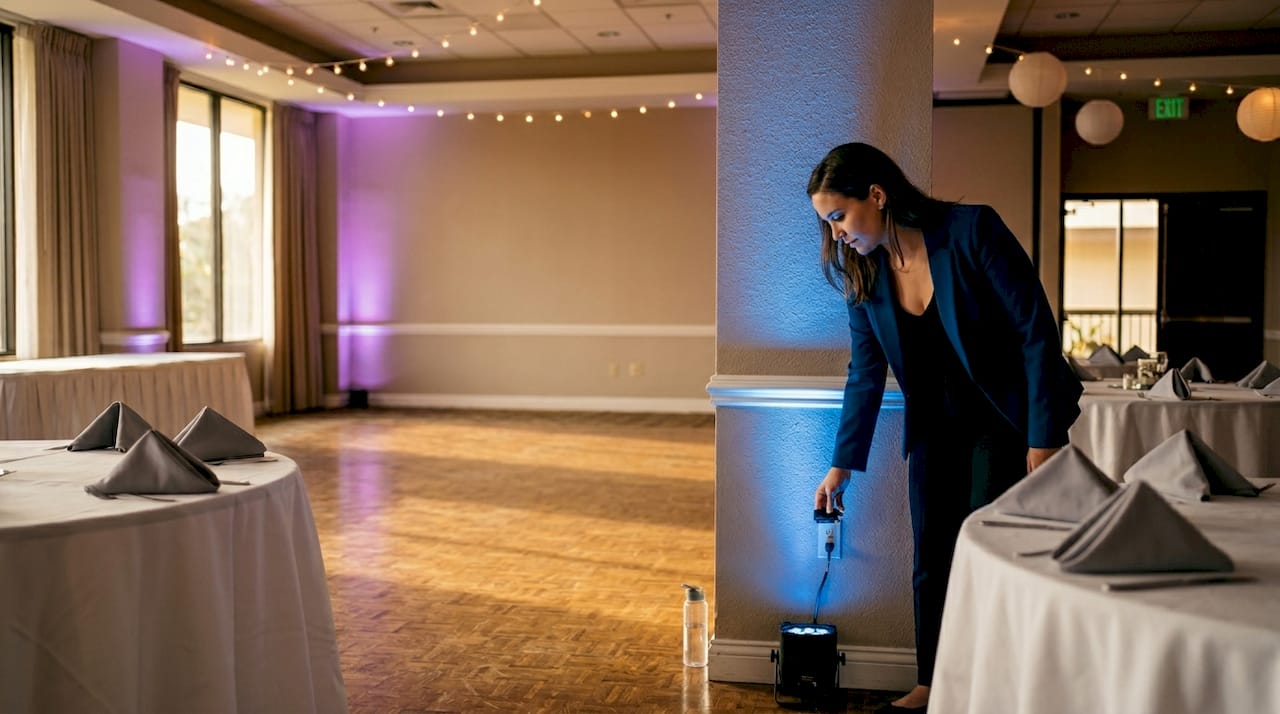
Lighting does a lot more than help people see where they’re going. The right lighting sets the emotional tone of your entire event, shapes how guests feel the moment they walk in, and even changes how your photos turn out. Uplighting, specifically, is one of the most affordable and visually powerful tools available to event hosts on Oahu, whether you’re planning a wedding at a beachside venue, a graduation banquet in a school cafeteria, or a community celebration in a local hall. This guide breaks down exactly what uplighting is, why it matters, and how to use it well.
Table of Contents
Key Takeaways
Point | Details |
Transforms ambiance | Uplighting instantly changes the mood and energy of any celebration space. |
Customizable effects | You can match lighting colors and patterns to any theme or tradition effortlessly. |
Safety and flexibility | Wireless uplighting is both safe and allows creative placement in any venue. |
DIY or pro options | Simple events may allow for do-it-yourself setups, but experts handle complexity and safety for major occasions. |
Memorable experiences | The right lighting helps create unforgettable moments that your guests will remember. |
What is event uplighting and how does it work?
Most people picture light coming from above, but uplighting flips that idea completely. Uplighting means placing lights at floor level and pointing them upward to wash walls, columns, drapes, or architectural features with color and brightness. The result is a dramatic visual transformation that makes even a plain room feel intentional and special.
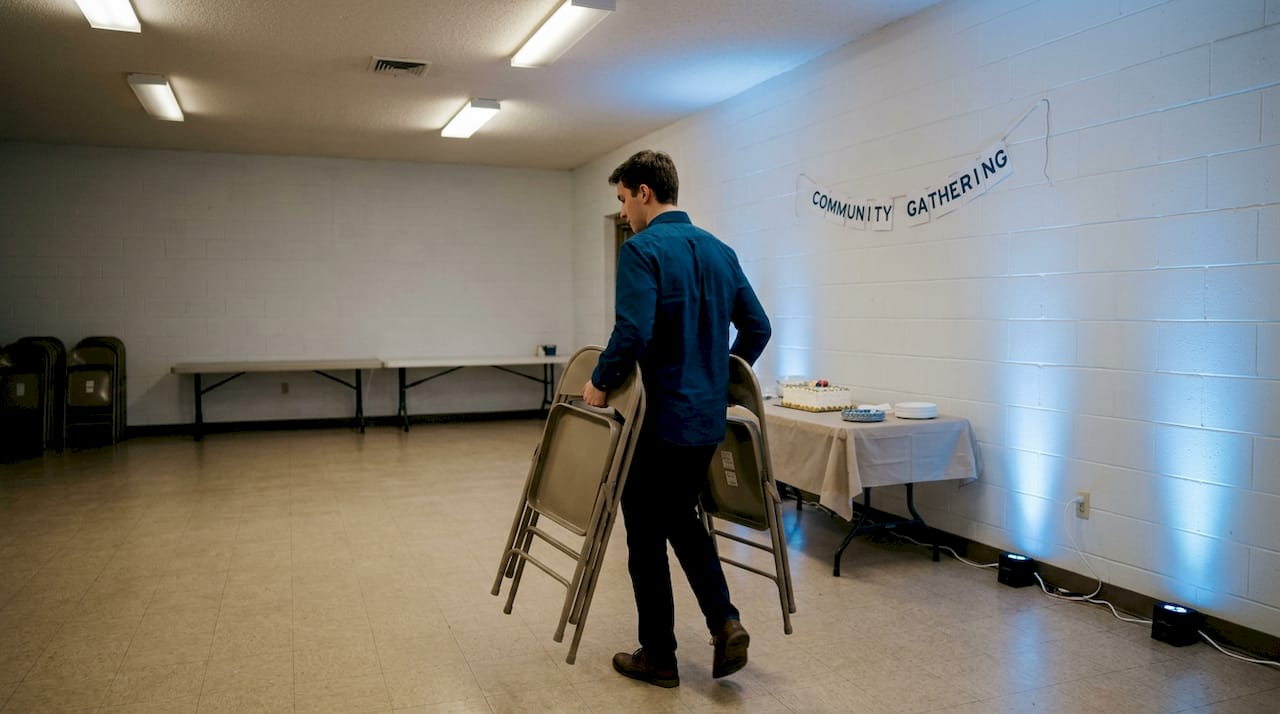
How uplighting transforms events is often surprising to first-time hosts. A beige banquet hall can become a tropical paradise with warm amber tones. A school gymnasium can feel like a proper prom venue with deep blue or purple washes across the walls. The change is immediate and powerful.
Here’s what uplighting is commonly used for at Oahu events:
Weddings: Highlighting ceremony arches, reception walls, and head tables with colors that match the couple’s palette
Graduations: Showcasing school colors and creating a festive, celebratory atmosphere
School dances and proms: Adding drama and energy to large open spaces
Community banquets and luaus: Warm, vibrant tones that reinforce the aloha spirit
Corporate events: Clean, branded color washes that reinforce company identity
Modern uplights are almost always LED-based and wireless. That matters more than you might think. Wireless fixtures have no power cords running across the floor, which makes them much safer in venues where guests are moving around freely. According to general event lighting planning guidelines, spacing uplights 8-12 feet apart creates an even wall wash, while placing them closer together adds more texture and intensity. Wireless setups are strongly preferred for safety, especially at events with children or large crowds.
“The goal of uplighting isn’t just decoration. It’s atmosphere engineering. The right color at the right angle changes how an entire room feels in seconds.”
Most small rooms benefit from 8-12 uplights for complete coverage. Medium-sized venues typically require 12-20 units, and large event spaces need 20 or more to avoid dark patches and maintain a consistent look throughout the room. These numbers are a solid starting point when you’re estimating what your event space actually needs.
Top reasons to use uplighting for Oahu celebrations
With the basics covered, it’s important to know what energizes so many Oahu event hosts to make uplighting a priority. Here are the key reasons it’s worth your attention and your budget.
1. It instantly transforms plain venues
Most event venues on Oahu, especially community halls, school gyms, and hotel ballrooms, start as neutral, functional spaces. They’re not designed to feel exciting out of the box. Uplighting fills that gap fast. You don’t need elaborate floral arrangements or expensive draping to make a space feel festive. A set of well-placed uplights does the heavy lifting in minutes.
2. Custom colors match your theme perfectly
One of the biggest advantages of LED uplighting is color control. Modern LED units can produce millions of color combinations, so you can dial in your exact shade. Planning a graduation party in school colors? Done. Want blush pink and gold for a wedding? Easy. This level of personalization is something table centerpieces simply can’t achieve on their own.
For uplighting and mood at weddings, color choice is especially meaningful. Warm whites and soft pinks create romance, while jewel tones like sapphire blue or emerald green add elegance and drama. The color you choose sets expectations before a single word is spoken.
3. Photos and video look dramatically better
Uplighting adds depth and dimension to photos that flat overhead lighting just can’t provide. Photographers love it because it eliminates harsh shadows and creates a flattering, layered look. Your phone photos will also look more vibrant and polished, which matters a lot when guests are sharing images at events like graduations and weddings.
4. It creates visual zones and focal points
Staging matters at events. Uplighting can highlight specific areas, like the cake table, the entrance, the DJ booth, or the stage, to direct guests’ attention exactly where you want it. This works especially well for school event lighting ideas where you want to frame a performance stage or recognize award recipients in a visually memorable way.
5. Wireless LED units are safe and flexible
Gone are the days of tangled cords and tricky power setups. Today’s wireless LED uplights are battery-powered, easy to reposition, and safe for high-traffic areas. Per lighting planning best practices, spacing of 8-12 feet between fixtures gives you that clean, even wall wash without needing a complex electrical setup.
Pro Tip: Test your uplighting colors during the day if your venue has windows. Natural light can wash out certain colors, especially pastels, so you may need to go deeper in saturation than you originally planned.
How to plan your uplighting: safety, spacing, and color choices
Ready to make uplighting work at your next event? These planning tips help you turn inspiration into results, step by step.
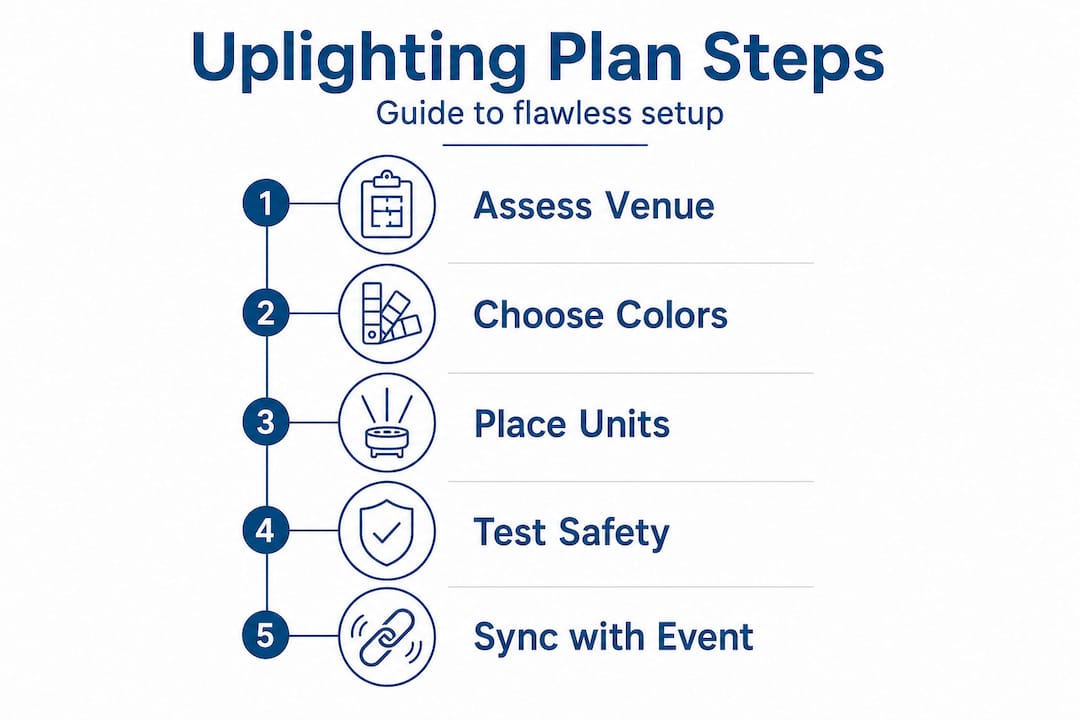
Step 1: Assess your venue size
Walk the space before you book anything. Measure the perimeter of the room and note any columns, alcoves, or features you want to highlight. Your venue size directly determines how many fixtures you’ll need.
Venue size | Estimated uplights needed | Recommended spacing |
Small (under 1,000 sq ft) | 8-12 units | 8-10 feet apart |
Medium (1,000-3,000 sq ft) | 12-20 units | 10-12 feet apart |
Large (3,000+ sq ft) | 20+ units | 12 feet or closer for drama |
These guidelines align with professional event lighting standards, which recommend wireless setups as the default choice for safety in event environments.
Step 2: Choose your color palette
Your event type should guide your color decisions:
Weddings: Soft whites, blush, dusty rose, champagne, or deep jewel tones
Graduations: School colors, gold, or royal blue
Birthdays: Bold, fun colors that match the decor theme
Corporate events: Brand colors for consistency and professionalism
Luaus and community events: Warm oranges, deep reds, tropical greens
Step 3: Plan for safety first
Electrical load is a real concern. Professionals follow the rule of keeping circuits at no more than 80% circuit load to prevent overloading. For DIY setups, wireless battery-powered units are the safest and simplest option. If you’re using plug-in fixtures, always check with the venue about outlet locations and capacity limits.
Step 4: Decide on DIY or professional setup
For simple backyard parties or small indoor gatherings, a DIY approach with rented wireless uplights can work well. But for choosing lighting for private parties that need to look polished, or for events where the venue has specific rules, working with a pro is the smarter call.
Pro Tip: When coordinating lighting and sound, make sure your lighting technician knows what the DJ or band needs. Synchronized color changes during key moments, like the first dance or graduation walk, create moments guests genuinely remember.
DIY uplighting vs. hiring a professional: What really matters
After understanding the essentials of planning, the next big choice is whether to tackle uplighting yourself or leave it to an expert.
Here’s an honest comparison:
Factor | DIY uplighting | Professional uplighting |
Upfront cost | Lower | Higher, but all-inclusive |
Color accuracy | Limited by equipment quality | Precise, calibrated, custom |
Safety oversight | Your responsibility | Handled by the pro |
Venue compatibility | May be restricted | Pros know venue rules |
Camera/photo testing | Usually skipped | Done on-site before event |
Setup time | Takes longer | Fast, experienced setup |
DIY is a reasonable option when your budget is tight and the event is low-stakes. A birthday party in your backyard or a small family gathering can absolutely work with rented equipment and some YouTube tutorials.
But here’s where it gets important: for weddings, large graduations, and formal banquets, the stakes are much higher. Professionals handle venue-specific design, manage power distribution safely at 80% circuit load, and perform camera tests to make sure your photos turn out the way you’re hoping. That on-site testing piece is something most DIYers skip entirely, and it often shows in the final photos.
Key advantages of hiring a professional:
Custom design tailored to your space. Every venue is different. A pro knows how to work with ceiling heights, wall colors, and architectural quirks.
Safety and compliance. Venues often have rules about electrical use. Professionals know how to stay within those limits.
Backup equipment on hand. A fixture going out mid-event isn’t a crisis when your pro brought spares.
Experience with complex setups. Large rooms with multiple zones need a design eye that only comes from doing it many times.
For events where you’re also booking a DJ, DJ lighting package tips can help you understand how to bundle your sound and lighting together for better value and coordination. Combining services with a single vendor simplifies communication and usually means better visual and audio sync throughout the night.
“For your most important events, professional uplighting isn’t a luxury. It’s what separates a beautiful memory from a missed opportunity.”
The real impact: Why uplighting is more than a pretty effect
Stepping back from the logistics, here’s why uplighting truly matters, and why so many local celebrations wouldn’t feel the same without it.
We’ve noticed something consistent across hundreds of events on Oahu. Guests almost never comment on the number of tables or the brand of speakers. But they always remember how the room felt when they walked in. That feeling, that first moment of “wow,” is largely created by light.
Atmosphere isn’t just visual. It’s emotional. When guests enter a space that’s been thoughtfully lit, they instantly feel that someone cared enough to create something special for them. That emotional signal matters. It raises energy, encourages connection, and sets the tone for everything that follows.
Uplighting is also, frankly, one of the most cost-effective ways to make a big impact. You can spend thousands on floral arrangements and still have a room that feels flat under harsh fluorescent lights. Or you can invest in uplighting and transform even modest decor into something that looks genuinely spectacular in person and in photos.
There’s also something culturally resonant about vibrant color and light at Oahu events. Celebrations here carry a depth of community and tradition. Color plays a role in that, whether it’s the warm gold of a graduation, the rich colors of a cultural celebration, or the romantic blush of a wedding reception. Light reinforces those moments. It tells guests that this time, this gathering, this milestone matters.
The real secret is this: guests remember how an event made them feel. Uplighting transformation stories from real Oahu events consistently confirm that the lighting is what people talk about after. Not the centerpieces. Not the menu cards. The atmosphere that made the room feel alive.
We believe uplighting deserves a front-and-center spot in your event planning budget, not as an afterthought, but as a foundational element of the experience you’re creating.
Ready to elevate your celebration with stunning uplighting?
If you’re inspired to create an atmosphere guests remember, here’s how we can help make it happen.
At Terriffics Entertainment, we’ve helped hundreds of Oahu families and event planners turn ordinary venues into celebrations that feel extraordinary. From intimate graduations to large wedding receptions, our team brings the equipment, expertise, and creative eye to make your vision real. Browse our event lighting gallery to see what’s possible in real local settings.
We also offer fully bundled options through our DJ and photobooth packages, so you can combine uplighting with sound, entertainment, and our AI-powered photobooth in one easy booking. No juggling multiple vendors. No confusion. Just a seamless, beautiful event. Visit Terriffics Entertainment to explore all our services and get a personalized quote that fits your celebration.
Frequently asked questions
How many uplights do I need for my event space?
Most small rooms need 8-12 uplights, medium spaces need 12-20, and large venues need 20 or more for an even, consistent look across the walls.
Is uplighting safe for venues with kids or lots of foot traffic?
Wireless uplighting is the safest choice because it eliminates floor-level cords, making it ideal for busy events with children or large crowds moving through the space.
What colors should I choose for my uplighting?
Pick colors that match your event theme or highlight special moments, like school colors for graduations or soft blush tones for a wedding, and always test them in the actual venue lighting conditions before the event begins.
Can I set up uplighting myself, or should I hire a professional?
DIY works well for simple, small setups, but pros handle design, safety, and camera testing for complex or high-stakes events where getting it right really matters.
Recommended
Comments