
_edited.png)

The Role of Celebration Technology in Modern Events

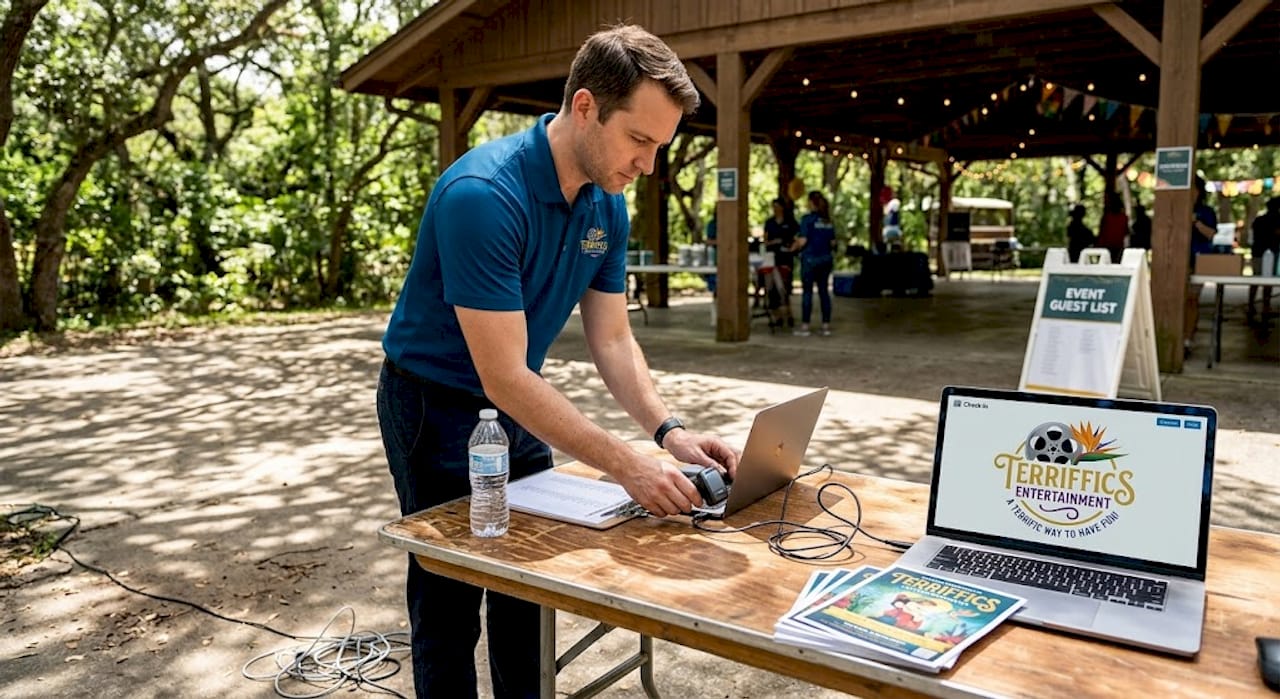
Technology and celebrations might seem like an odd pairing. Most people picture technology as cold and transactional, while celebrations are warm and deeply human. But the role of celebration technology is more nuanced than that. From the moment guests arrive to the final photo they share online, technology shapes how celebrations feel, flow, and linger in memory. This article breaks down exactly how that works, with real examples and practical guidance for anyone planning a wedding, birthday, graduation, or any event worth remembering.
Table of Contents
Key takeaways
Point | Details |
Operational tech matters most | Smooth check-in and queue systems preserve guest energy and set the emotional tone from the start. |
Immersive tech amplifies emotion | LED lighting, wristbands, and synchronized visuals turn crowds into active participants, not just spectators. |
Personalization extends the celebration | AI-powered photos and videos give guests a lasting memory they can share immediately after the event. |
Balance is the goal | The best celebration technology works in the background, supporting human connection rather than competing with it. |
Plan tech in layers | Start with operational tools, then add experiential tech once logistics are solid. |
How technology smooths the operational side of celebrations
Nobody talks about this enough. The part of celebration technology that gets the least attention is often the part that matters most: getting people in the door without stress.
Long check-in lines are one of the fastest ways to kill a guest’s mood before the party even starts. Reducing arrival friction preserves the emotional energy guests bring with them, and that first impression sets the tone for everything that follows. When people spend 20 minutes waiting to sign in, they arrive at the party already frustrated. When check-in takes 15 seconds, they walk in ready to celebrate.
Modern digital check-in tools make that possible. QR code check-in systems process guests in roughly 15 seconds with no app download required. Guests scan a code, confirm their name, and they’re in. Planners get a real-time dashboard showing attendance as it happens, which helps with catering counts, seating, and capacity management.
Queue management works similarly. QR-enabled queue systems let guests join a virtual line by scanning a code on their phone. They can monitor their position live and receive a text or WhatsApp alert when it’s their turn. That means guests can grab a drink or say hello to someone instead of standing around waiting.
Here’s a quick look at how digital operational tools compare to traditional methods:
Tool | Traditional approach | Tech-enhanced approach |
Guest check-in | Paper lists, manual sign-in | QR code scan, 15-second processing |
Queue management | Physical lines, no updates | Virtual queue with live SMS alerts |
Invitations | Printed cards, manual RSVP tracking | Digital invites with automated tracking |
Payments | Cash or card at the door | Contactless digital payment systems |
Pro Tip: Set up your digital check-in system at least two weeks before your event and send guests a test QR code with their invitation. Guests who arrive prepared move through check-in twice as fast.
These tools are not glamorous. But planners consistently report that smooth onboarding technology does more for overall guest satisfaction than any AV upgrade. Get the foundation right first.
Creating immersive, participatory experiences with technology
Once guests are in and settled, the role of technology in parties shifts from logistics to emotion. This is where celebration technology becomes genuinely exciting.
The most powerful application of experiential tech is audience participation. Rather than guests watching a show, they become part of it. LED wristband systems like those developed by PixMob are the clearest example. PixMob’s Human Video Screen system has been deployed at more than 10,000 events, including the 2026 Olympics, where 65,000 attendees wore synchronized LED wristbands that transformed the crowd into a living visual display.
That technology does something emotionally significant. When every person in the room becomes a pixel in a shared image, the boundary between audience and experience disappears. Audience participation tech reshapes social connection and creates new forms of shared memory that linger long after the event ends.
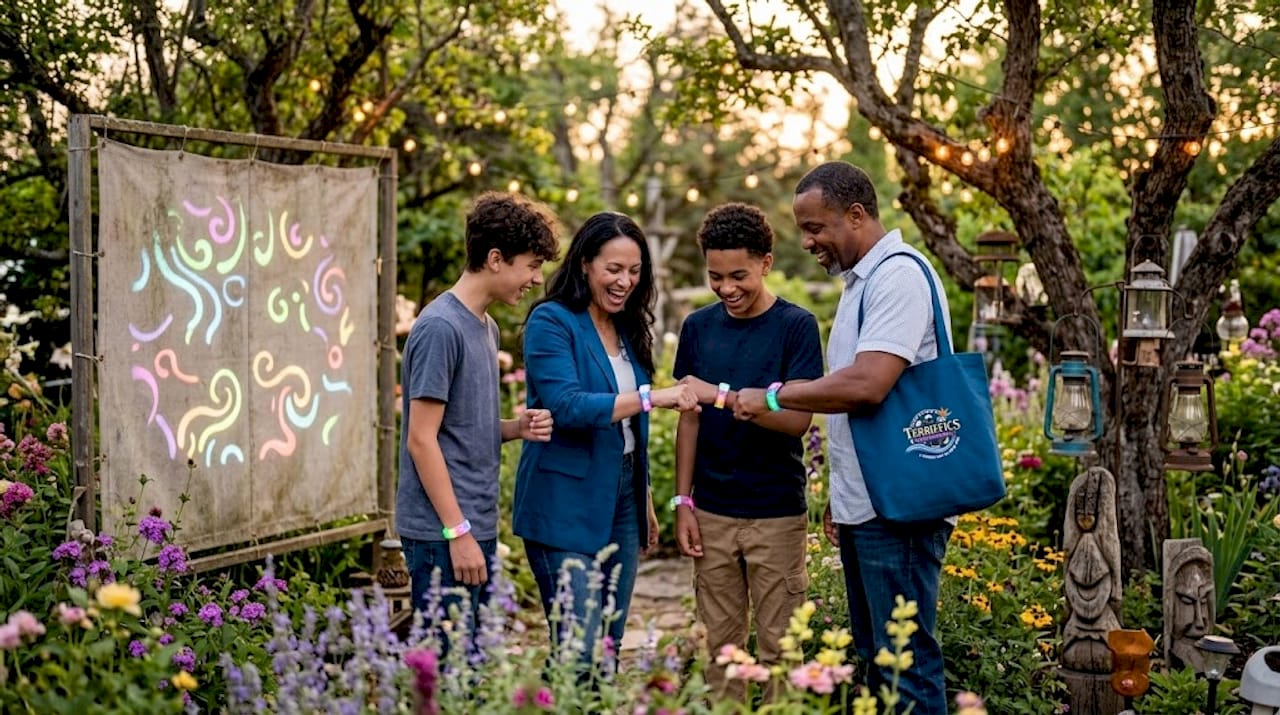
The key concept behind this is what event engineers call “collective effervescence.” The best celebration tech fades into the background and serves to amplify emotion rather than draw attention to itself. Nobody at a great concert remembers the lighting rig. They remember how it felt to be in that room with those people at that moment.
Here are the experiential technologies making the biggest impact across celebrations right now:
Synchronized LED lighting that reacts to music, creating immersive environments that shift with the mood of the event
Interactive projection mapping that turns walls, floors, or tables into dynamic visual displays customized for the occasion
Audience-worn wearables like LED wristbands that unify a crowd into a single visual experience
Photo activation stations that blend guests into creative, branded imagery in real time
“The goal of experience design is not to impress guests with technology. It’s to use technology so thoughtfully that guests only feel the emotion it was designed to create.” — Events engineering perspective via Sociable.co
One thing planners sometimes overlook: audience lighting systems require technical rehearsal and creative coordination to deliver cohesive visuals. Installation density, timing, and synchronized control all affect whether the result feels magical or messy. Experienced entertainment partners know how to run those rehearsals. If you’re exploring advanced event lighting for your Oahu celebration, that coordination piece is not optional.
Personalization and digital memories through AI-powered tech
One of the strongest celebration technology benefits is what guests take home. Specifically, a personalized digital memory that feels like it was made just for them.
AI-powered photo and video activations have advanced rapidly. Groove Jones demonstrated this at Adobe Summit with an activation that delivered a 10-second AI personalized video to each guest within moments of their interaction. The video included a lip-synced voice and personalized branding, making each guest feel individually recognized in a crowd of thousands.
That kind of experience translates directly to weddings, birthdays, and graduations. Here’s how AI-powered personalization typically works at a celebration:
A guest steps into a photo booth or activation zone and poses for a photo or short video.
AI software processes the image and generates a personalized output, such as an animated keepsake, a branded video, or a stylized photo with custom text.
The finished product is delivered to the guest’s phone within seconds, ready to share on social media.
The host gets a digital gallery of all guest moments, creating a comprehensive visual record of the event.
Pro Tip: Timing matters more than you think. Delayed content delivery reduces the emotional value of personalized keepsakes. Set up your AI photo activation to deliver finished content within 30 seconds of capture to keep guests in the moment.
Tangible, personalized artifacts from celebrations extend positive emotional impact well beyond event time. When a guest posts their personalized photo from your birthday party three days later, your celebration reaches people who were never in the room. That extended reach is a genuine celebration technology benefit that traditional photo booths simply cannot match. If you want to see what this looks like in practice, the team at Terrifficsentertainment has a full breakdown of AI-driven photo experiences for Oahu events.
Practical tips for integrating technology into your celebration
Knowing what technology exists is one thing. Knowing how to actually use it at your next event is another. The impact of event technology depends almost entirely on how well it’s planned and executed.
Here’s a practical framework for building technology into your celebration without overcomplicating it:
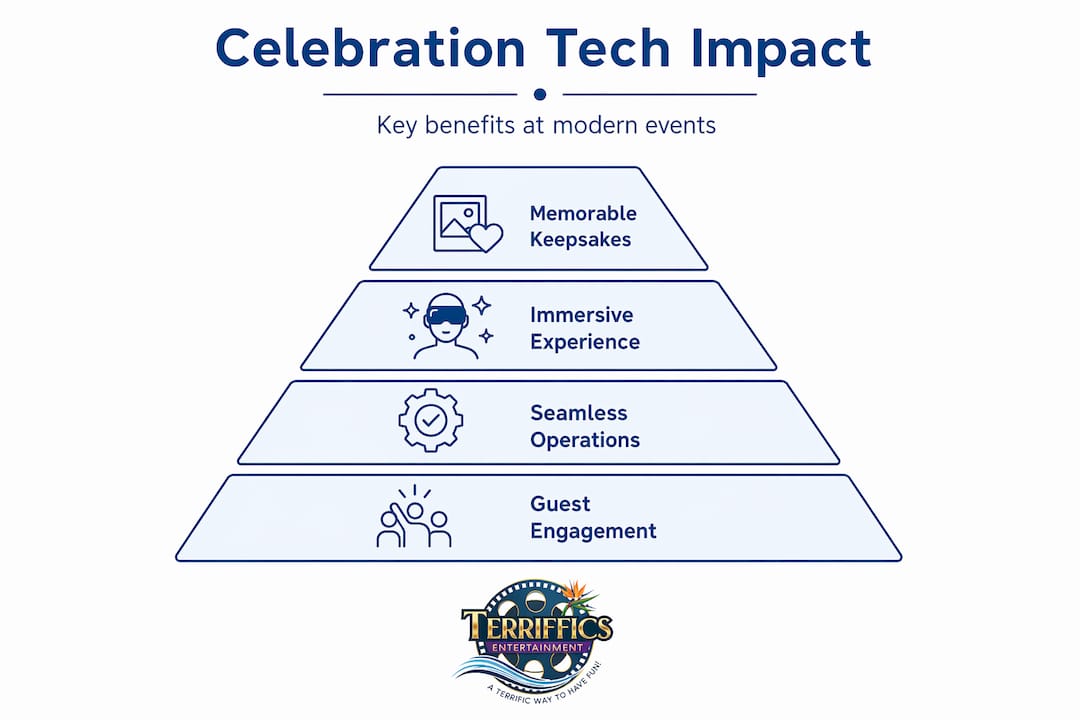
Start with operational tech. Before you add anything experiential, nail your check-in process, digital invitations, and payment flow. Guests notice friction at arrival more than almost anything else.
Layer in experience tech once logistics are stable. Once you know your guest flow works, add lighting, photo activations, or interactive elements that support the event’s emotional theme.
Work with your entertainment team early. Share your creative vision before the event, not the day of. Technology that requires rehearsal, like synchronized lighting or video mapping, needs lead time.
Match tech to your guest profile. A corporate event for 300 people has different needs than a 50-person birthday dinner. Choose tools your guests will actually engage with comfortably.
Think about environmental impact. Single-use tech accessories add waste. Opt for digital delivery of photos and keepsakes over printed outputs where possible, and choose entertainment partners who practice responsible setup and teardown.
The digital tools for celebrations that deliver the most consistent results are not always the flashiest ones. A great sound system and responsive DJ, a photo booth with instant delivery, and smooth digital check-in will outperform a poorly executed projection show every time. Technology in party planning works best when each element is chosen intentionally to serve a specific guest experience goal.
My take on what celebration technology actually means
I’ve worked alongside hundreds of celebrations on Oahu, from small backyard graduations to large wedding receptions. Here’s what I’ve learned: most people think about celebration technology the wrong way.
They think about it as a feature. A photobooth. A DJ. Some lights. What I’ve found is that the best technology is not a feature. It’s a condition. It’s what makes the room feel the way it feels. It’s why guests stay longer, laugh louder, and actually talk to each other instead of checking their phones.
The most memorable events I’ve seen are not the ones with the most equipment. They’re the ones where every piece of technology was chosen to serve a specific human moment. The lighting that shifted when the couple walked in for the first time. The karaoke setup that turned shy guests into performers. The photo booth that gave every kid at the graduation party a tangible piece of the day they could keep forever.
I’ll say something that surprises people: operational technology matters as much as experiential technology for emotional success. When check-in is smooth, guests arrive energized. When the sound is set up right before anyone walks in, the first song hits differently. These invisible layers are what separate a good event from one people genuinely can’t stop talking about.
My honest take? Don’t chase trends. Choose technology that fits your guests, your space, and your vision. Then execute it perfectly. That’s the formula.
— Terriffics
Bring your celebration to life with Terrifficsentertainment
At Terrifficsentertainment, we bring exactly this philosophy to every event we serve across Oahu. We combine AI-powered photobooth rentals with professional DJ sound and lighting, karaoke, and outdoor movie setups, all designed to work together and create the experience your guests will remember. Every package is flexible and built around your specific event, whether it’s a wedding in Kapolei, a graduation party in Honolulu, or a corporate gathering anywhere on the island. Our team handles fast setup and teardown so you can focus on celebrating, not coordinating. If you’re ready to see what tech-enhanced celebrations look like in action, check out our event gallery or explore our full DJ, photobooth, and karaoke packages. We’d love to help you plan something unforgettable.
FAQ
What is the role of celebration technology at events?
Celebration technology covers both operational tools (like digital check-in and queue systems) and experiential tools (like lighting, photobooths, and AI personalization). Together, they improve guest flow and create memorable, shareable moments.
How does technology enhance the emotional experience at celebrations?
When designed to fade into the background, technology amplifies collective emotion by enabling audience participation and removing friction. Immersive event tech shifts the focus from production to audience experience.
What digital tools work best for small celebrations like birthdays?
For smaller events, the highest-impact tools are a quality sound system, an AI-powered photo booth with instant digital delivery, and simple digital invitations with RSVP tracking. These three alone dramatically improve the guest experience without overcomplicating the setup.
How do I choose the right event technology for my celebration?
Match technology to your guest count, venue, and emotional goals. Start with operational tools to smooth arrivals, then add experiential tech like lighting or interactive photobooths once your logistics are planned. Working with an experienced local entertainment partner helps you avoid mismatched tools.
Does AI-powered personalization work at private celebrations?
Yes. AI photo and video activations scale down from corporate events to private parties. The key is choosing a provider that delivers personalized content within seconds of capture, since prompt content delivery is what keeps the emotional moment alive for guests.
Recommended
Comments