
_edited.png)

What Is Community Celebration? A Family Guide

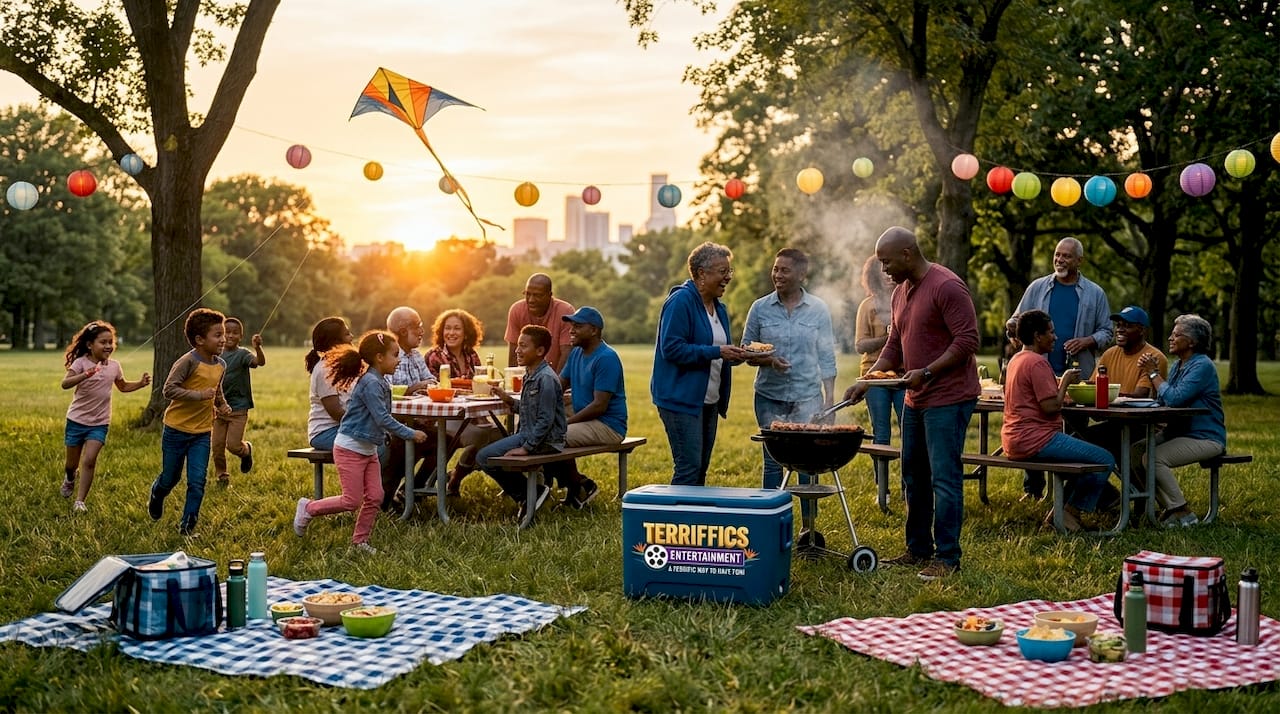
A community celebration is any planned gathering where people come together to honor shared values, culture, milestones, or causes. Most families encounter them constantly — neighborhood festivals, school carnivals, Juneteenth events, charity walks — yet rarely pause to think about what makes these gatherings meaningful or how to create one. This guide breaks down community celebrations and their types, explains why they matter more than most people realize, and gives you a practical path to either organize one or get the most out of attending.
Key takeaways
Point | Details |
Celebrations build real belonging | Shared gatherings reduce isolation and strengthen social bonds in measurable ways. |
Types vary widely | From neighborhood picnics to multi-day festivals, each format serves a different community purpose. |
Planning requires early action | Permits, budgeting, and venue selection should start at least 12 weeks before your event. |
Inclusion beats spectacle | Events with multiple low-barrier entry points draw more families and newcomers than big-budget productions. |
You don’t have to organize to contribute | Volunteering, sharing food, or simply showing up all strengthen the collective experience. |
What is community celebration and common examples
At its core, a community celebration is a planned gathering of people from a shared neighborhood, city, or group, organized to honor traditions, culture, collective achievements, or important causes. The term “community event” is used broadly by event professionals to describe the same concept. Both terms point to the same idea: people coming together with shared purpose.
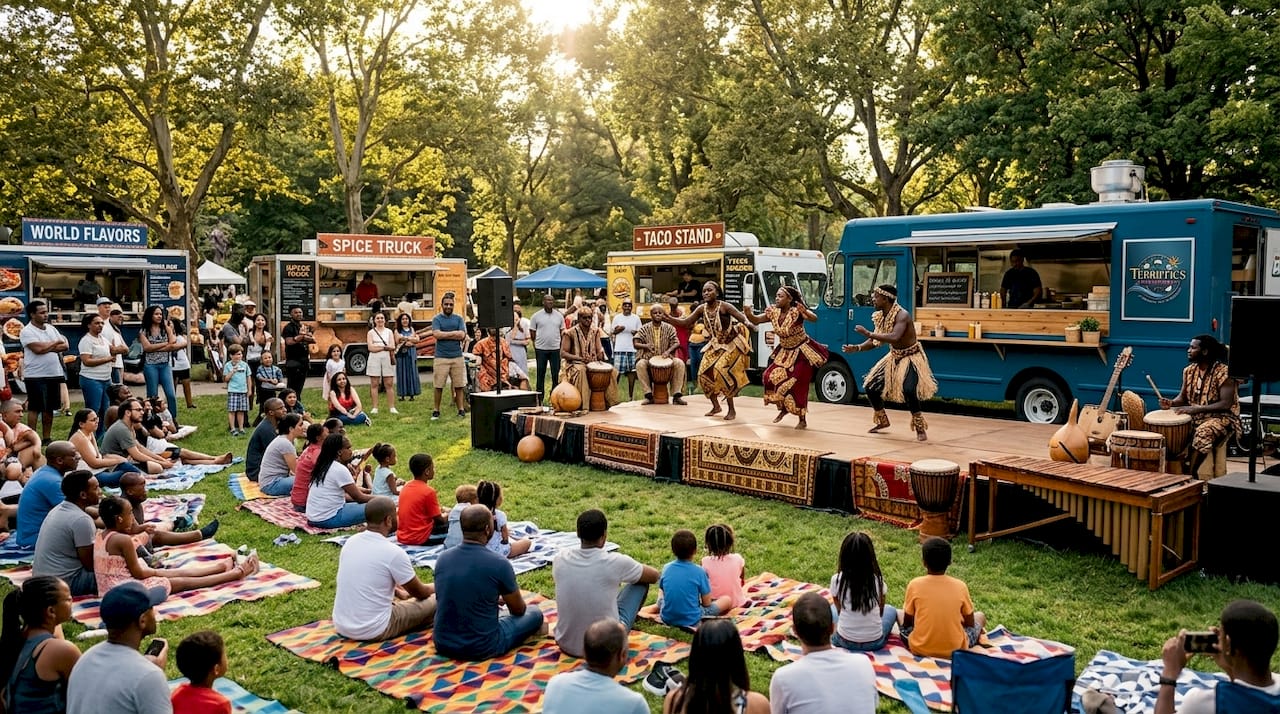
Community gatherings embody shared values by creating space for belonging through cultural festivals, neighborhood picnics, and group activities. What separates a community celebration from a private party is that it’s designed to be open, inclusive, and tied to something bigger than the individuals attending.
Here are the most common types of community celebrations you’ll encounter:
Cultural festivals: Multi-day or single-day events celebrating ethnic heritage, music, food, and art. Think local Lunar New Year parades or Hawaiian cultural fairs.
Neighborhood gatherings: Block parties, backyard potlucks, and park picnics that build ties between residents who live near each other.
Civic and historical observances: Juneteenth celebrations, Independence Day events, and Veterans Day ceremonies that connect residents to shared history.
Charity and cause-based events: Fundraising walks, benefit concerts, and awareness festivals that rally a community around a specific issue.
School and youth events: Carnivals, spring fairs, and award ceremonies that center children and families.
Recognition events: Annual meetings and awards shows like those organized by organizations such as United Way, where community awards and socials honor volunteers and contributors.
Most celebrations share a few consistent features regardless of their type. You’ll usually find food, some form of entertainment (live music, games, or performances), and a recognition element that spotlights people or achievements. These components work together to give people a reason to attend, a reason to stay, and something to remember.
Type | Primary Purpose | Typical Features |
Cultural festival | Preserve and share heritage | Music, food, traditional dress, art |
Neighborhood picnic | Build local connections | Potluck food, lawn games, casual mingling |
Civic observance | Honor history or shared identity | Ceremony, speeches, performances |
Charity walk/run | Raise funds and awareness | Registration, route, sponsorships, finish line celebration |
School/youth fair | Engage families and recognize students | Booths, games, awards, food vendors |
Annual recognition event | Appreciate volunteers and contributors | Awards, socials, formal program |
Why community celebrations matter
The importance of community celebrations goes well beyond having a good time. These gatherings create social infrastructure. They give people regular reasons to meet face to face, and that contact builds the kind of trust and familiarity that makes neighborhoods safer, more cooperative, and more resilient.
Recognizing collective achievements through celebration strengthens social cohesion, boosts morale, and attracts resources and involvement. When a neighborhood sees its own successes reflected back at them through a celebration, people feel proud and motivated to stay involved.
The benefits go beyond morale. Research shows that participation in community gatherings directly reduces depression, anxiety, and social isolation. This is not just a feel-good claim. Public health professionals treat connectedness as a real health outcome, and community events are one of the most accessible ways to build it.
Here’s a quick breakdown of the core benefits:
Social bonding: Neighbors who celebrate together communicate better, resolve conflicts faster, and look out for one another.
Cultural preservation: Celebrations pass traditions, stories, and practices from one generation to the next in ways that classroom education can’t replicate.
Civic pride: Seeing your town or neighborhood come alive around a shared purpose creates a sense of ownership and pride that lasts long after the event ends.
Mental and emotional wellbeing: The simple act of being present with others in a celebratory setting reduces feelings of loneliness and stress.
Support for local businesses: Community festivals and events direct spending toward local vendors, food trucks, artisans, and service providers.
Inspiration and involvement: When people see their contributions recognized, they’re far more likely to volunteer again or step into leadership roles.
Pro Tip: Don’t wait for a big milestone to celebrate. Recognizing small wins, like a neighborhood clean-up, a school fundraising goal hit, or a longtime resident’s anniversary, creates a culture of appreciation that keeps people engaged year-round.
How to organize a community celebration
Planning a community celebration well takes time, coordination, and a clear sense of purpose. Most successful events follow seven core planning stages with specific recommended start times to avoid last-minute surprises.
Here’s a practical sequence to follow:
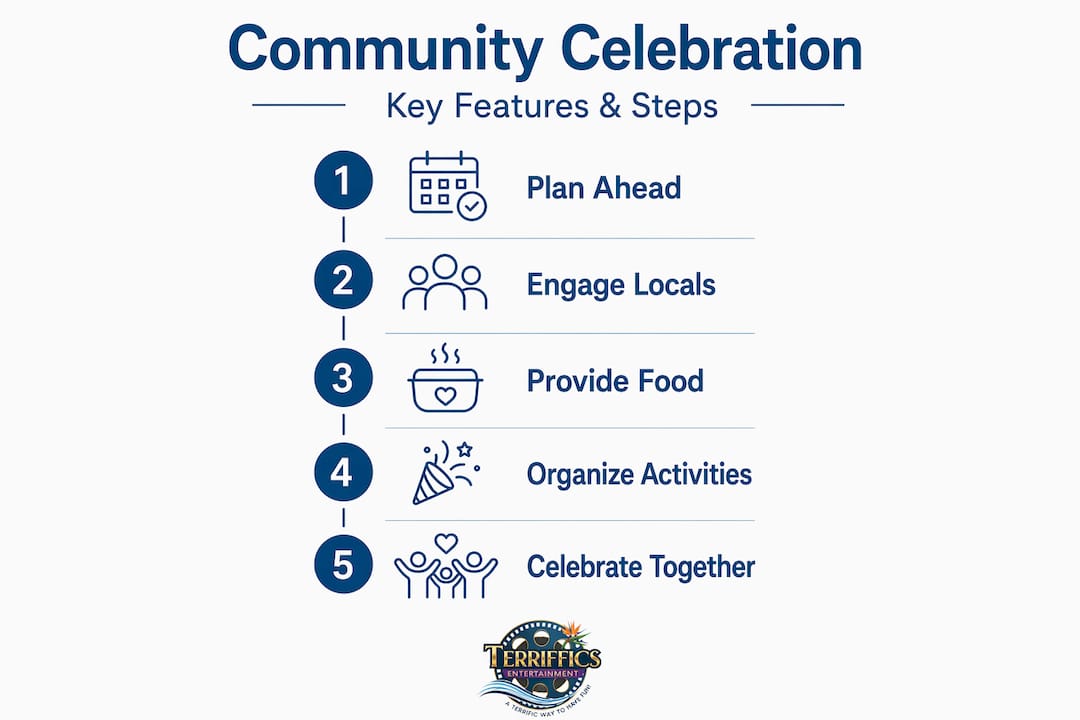
Define your purpose (12+ weeks out). Write down exactly what the event is meant to achieve. Goal clarity shapes activities, audience messaging, and every budget decision that follows. Are you honoring a cultural tradition? Building new connections? Raising money for a cause? The answer changes everything.
Set your budget (10-12 weeks out). Identify funding sources early: sponsorships, ticket sales, grants, or community contributions. Build in a 10-15% buffer for unexpected costs.
Secure venue and permits (8-10 weeks out). Permits and insurance must be treated as foundational early tasks. Starting too late with permits can derail your entire venue plan. Contact your local parks department or city office as soon as possible.
Build your team (8 weeks out). Assign clear roles: logistics, volunteer coordination, communications, and entertainment. No single person should be responsible for everything.
Plan your program and entertainment (6-8 weeks out). Think about what activities serve your purpose and your audience. A community event planning checklist helps you track every moving part without missing a step.
Promote the event (4-6 weeks out). Use flyers, social media, community boards, local Facebook groups, and partner organizations to spread the word. Give people multiple reminders.
Execute and follow up (day of and after). Have a clear run-of-show timeline. After the event, send thank-you notes, share photos, and gather feedback to make the next one better.
The most common mistakes organizers make are underestimating permit timelines and skipping written goal-setting. Both of these cost time and money that most community budgets can’t afford to lose.
Pro Tip: Design multiple “entry points” into your event. A potluck station, a craft table, a game booth, and a photo area all give different types of guests a low-pressure way to engage. Not everyone wants to stand in a crowd and listen to a speaker, and that’s perfectly fine.
How to participate in local celebrations
You don’t need to organize a celebration to play a meaningful role in one. Participation at any level contributes to the energy and success of the event, and there are easy ways for families and newcomers to get involved.
Start by finding events near you. Check your local parks and recreation department website, neighborhood Facebook groups, school newsletters, and community center bulletin boards. Many cities maintain a public events calendar that’s updated regularly.
Once you find an event, here are smart ways to participate:
Bring food to share. Food sharing at community gatherings creates natural conversation and lowers the barrier for newcomers who aren’t sure how to connect. A dish from your own culture or family recipe is always welcome.
Volunteer for a shift. Even a two-hour shift setting up, greeting guests, or running a booth puts you at the center of the experience. Volunteers consistently report higher satisfaction from events than passive attendees.
Bring your whole family. Most community celebrations are designed with inclusive activities for families of all ages. Kids and elders both have a place at well-run community events.
Share your story. If there’s an open mic, a comment board, or a social media hashtag, use it. Your perspective adds to the collective memory of the event.
Come back next year. Regular attendance turns you from a visitor into a familiar face, and familiar faces are what make a community feel like one.
The role you play — spectator, helper, contributor, or organizer — matters less than the fact that you showed up. Every person who attends makes the event more alive.
Real-world examples and current trends
Community celebrations are growing in both scale and intentionality. One of the clearest examples is the evolution of Juneteenth observances. The MUNPC’s annual Juneteenth celebration now spans two days with cultural programming, including a Day of Remembrance, a vendor festival, youth activities, and formal awards. This format demonstrates how the most effective celebrations balance historical grounding with contemporary energy.
The trend of multi-day, layered events reflects a broader understanding that blending remembrance with modern festivities keeps audiences engaged across different interests and age groups.
Event example | Format | Key purpose | Engagement features |
Juneteenth celebration | 2-day | Historical remembrance + culture | Vendors, awards, youth activities |
Neighborhood block party | Half-day | Social connection | Food, games, music |
Annual community meeting | Evening | Recognition and planning | Awards, guest speakers, networking |
Cultural heritage festival | Full day | Preserve and share traditions | Performances, food, crafts |
Low-barrier participation is also a growing priority. Events that include shared food stations, open craft tables, and drop-in games consistently draw more families and newcomers than events built entirely around a ticketed stage performance. The goal is to give people multiple reasons to show up and multiple ways to feel like they belong.
My take on what makes celebrations actually work
I’ve helped support a lot of events on Oahu, from small neighborhood cookouts to large community gatherings. The ones that leave a real mark are almost never the ones with the biggest budget. They’re the ones where the organizers knew exactly why they were doing it before they booked a single vendor or sent a single flyer.
What I’ve seen trip up even well-meaning organizers is a lack of written clarity about their goals. When the purpose lives only in someone’s head, the whole team ends up pulling in slightly different directions. Every decision gets harder. The event feels scattered. Writing down your purpose and sharing it with your team is not a formality. It’s the foundation everything else stands on.
I’ve also watched celebrations fail because they were designed for an imagined audience instead of the real one. The families who show up want to feel comfortable, not impressed. They want something to do, not just something to watch. When you design for ease of connection instead of visual spectacle, people stay longer, talk more, and leave feeling like they were actually part of something.
Thoughtful inclusion, a clear purpose, and reliable execution matter far more than production value. A great DJ, a fun photobooth, or a well-run karaoke session can turn a good gathering into a memorable one. But those are the finishing touches, not the foundation.
— Terriffics
Bring your community celebration to life with Terrifficsentertainment
Planning a community event on Oahu? Terrifficsentertainment makes entertainment easy. We offer DJ sound and lighting, an AI-powered photobooth rental, karaoke, and outdoor movie setups that work beautifully for neighborhood gatherings, school events, and large community festivals. Our packages are flexible, our setup is fast, and our team is local.
Whether you’re organizing a block party in Kapolei or a multi-activity community festival across Oahu, our DJ, photobooth, and karaoke packages give your guests something to talk about long after the event ends. Browse our event gallery to see how we’ve helped real communities celebrate in style. Ready to book or get a quote? Reach out today and let’s make your next gathering unforgettable.
FAQ
What is a community celebration?
A community celebration is a planned gathering where people from a shared neighborhood, city, or group come together to honor traditions, culture, achievements, or causes. Common formats include festivals, parades, picnics, charity walks, and recognition events.
What are the main types of community celebrations?
The main types include cultural festivals, neighborhood picnics, civic observances, charity events, school and youth fairs, and annual recognition gatherings. Each type serves a different social purpose but all aim to build connection and belonging.
Why are community celebrations important?
Community celebrations strengthen social bonds, preserve culture, boost civic pride, and improve mental wellbeing by reducing isolation. Research links regular participation in community gatherings to measurable reductions in depression and anxiety.
How do you organize a community celebration?
Start by writing down your event’s purpose at least 12 weeks out, then move through budgeting, securing a venue and permits, building a volunteer team, promoting the event, and following up afterward. Permits and insurance should be handled in the first few weeks to avoid delays.
How can families participate in community celebrations?
Families can attend as spectators, volunteer for event shifts, bring food to share, or help run activity booths. Even a few hours of involvement deepens your connection to the event and to your neighbors.
Recommended
Comments